Gearbox, the developer of "Borderlands", announced at the recent PAX East event that they would bring all the DLCs of "Borderlands 2" to the PSVR version of "Borderlands 2 VR" for free this summer. It is worth noting that the game will also support the Aim controller.
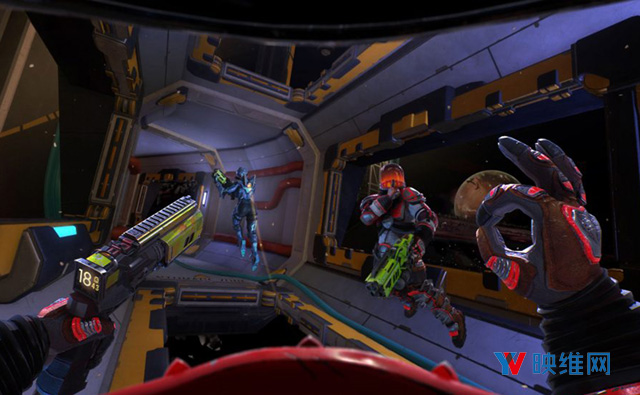
"Borderlands 2 VR" was initially released on the PlayStation Store in December 2018 as a PSVR exclusive. Gearbox did not simply port the original game to virtual reality, but instead conducted detailed research to create a VR-specific experience. They aimed to fully immerse players in the wild world of Pandora through special mechanisms and techniques designed for VR.
The main new feature in "Borderlands 2 VR" is the interpretation of bullet time, called "BAMF Time" by Gearbox. Activating BAMF Time allows players to move at incredible speeds, dodge bullets, achieve 360-degree headshots, and use special skills to fight enemies. The VR version will feature the four characters from "Borderlands 2", each with their own unique abilities and skill trees adjusted for BAMF Time.
Gearbox has promised to release more information about the game in the coming months. Players are excited to experience the immersive world of "Borderlands 2" and enjoy all the DLCs for free in the summer.