Oculus Quest、Oculus Go开始支持云存档同步
Oculus has brought to the market several popular VR headsets and a great library of content, but one problem that has remained unsolved is the inability to easily share game saves. This means that players have to manually sync their progress when playing games away from home and at home.
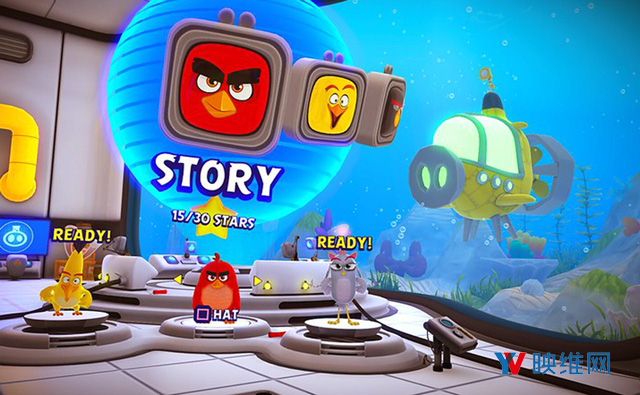
This problem is especially evident with Oculus Quest, which includes several games that support cross-platform accounts. If players cannot transfer their saves from one device to another, they may be reluctant to start over in games they have already completed.
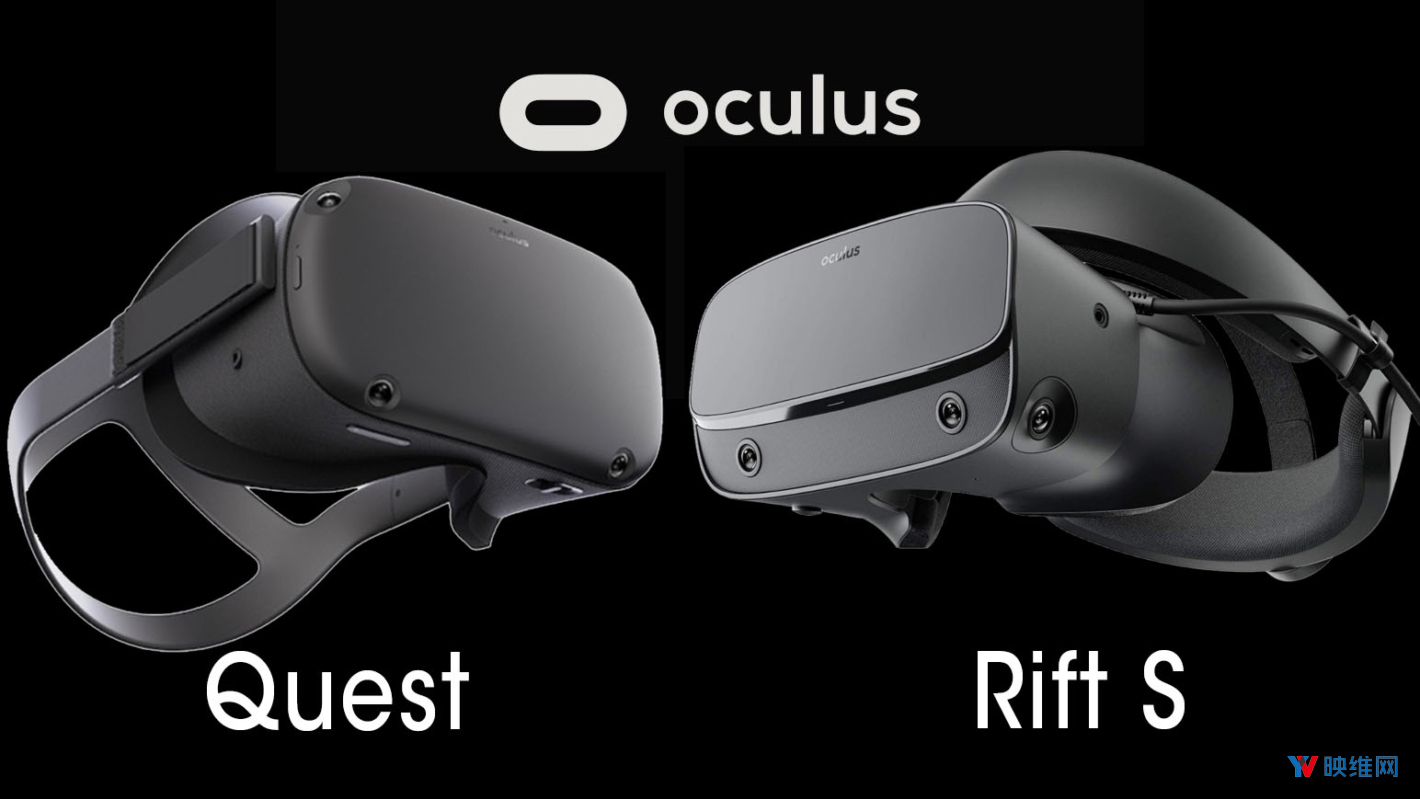
However, the latest version of the Oculus SDK has changed everything. With Cloud Storage v2, users can now archive, sync, and load data between Oculus Quest, Oculus Go, and Gear VR. This is a crucial feature for portable devices, particularly for Oculus Quest and Oculus Go, which don't require a smartphone or PC. As long as developers support cloud saves, users can continue their game progress on any Oculus headset.
Cloud saves have been available for Oculus Rift for three years but are not mandatory for games. Developers need to enable this feature and provide information about it in the game description. It is now possible to search for games based on cross-platform account support and cloud save features in the upgraded Oculus Store.
Cloud saves not only enhance the appeal of games that support cross-platform accounts but also benefit players who upgrade their headsets or switch platforms. However, consumers cannot enable this feature for games themselves. It requires developer support, but considering the user base of Oculus content, developers are expected to take action soon, especially for cross-platform account support.
Oculus has been actively upgrading its platform, bringing a range of new features, fixing various bugs, and improving the overall user experience.
Cross-platform VR experiences have also made significant progress. Regardless of the device, players of the same game can come together and enjoy each other's company. Increasing accessibility is the key to driving VR into the mainstream. This not only means improving the usability of Oculus Quest and other headset hardware but also requires improving the usability of software.