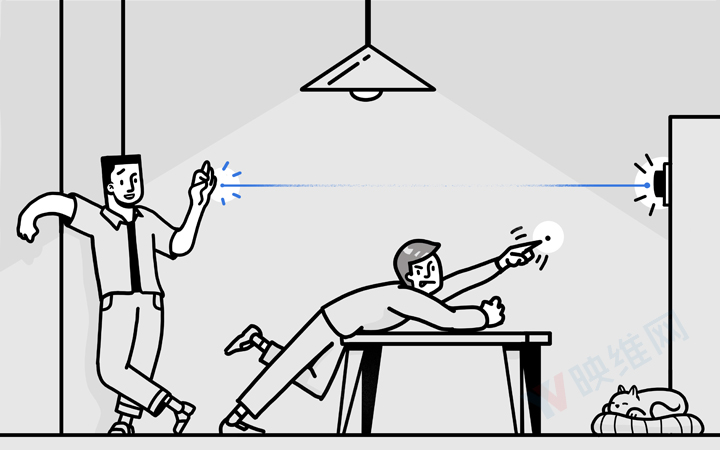
Oculus recently released the SDK v13 for its platform, which includes updates to the "VR design" documentation and a new Designing for Hands design guide. This guide aims to help developers leverage the Hand Tracking feature to create immersive experiences. The guide provides researched and tested interactions, components, and best practices, serving as a starting point for developers to learn from Oculus' accumulated experiences. Oculus hopes that this guide will aid developers in designing experiences and exploring the potential of hands in virtual reality.
Hand tracking is considered a promising input method, offering advantages such as simplicity, low friction, automatic display once the headset is worn, enhanced self-perception and social presence, and the freedom to use hands for tasks like adjusting the headset. However, designing hand experiences poses challenges due to limited tracking capabilities, occlusion issues, the lack of tactile feedback when interacting with virtual objects, and the difficulty of triggering gestures without unintentionally activating the system. The guide suggests solutions and offers best practices to overcome these challenges.
Overall, hand tracking has the potential to fundamentally transform how people interact with the virtual world, and the industry eagerly awaits innovative solutions to improve these experiences.