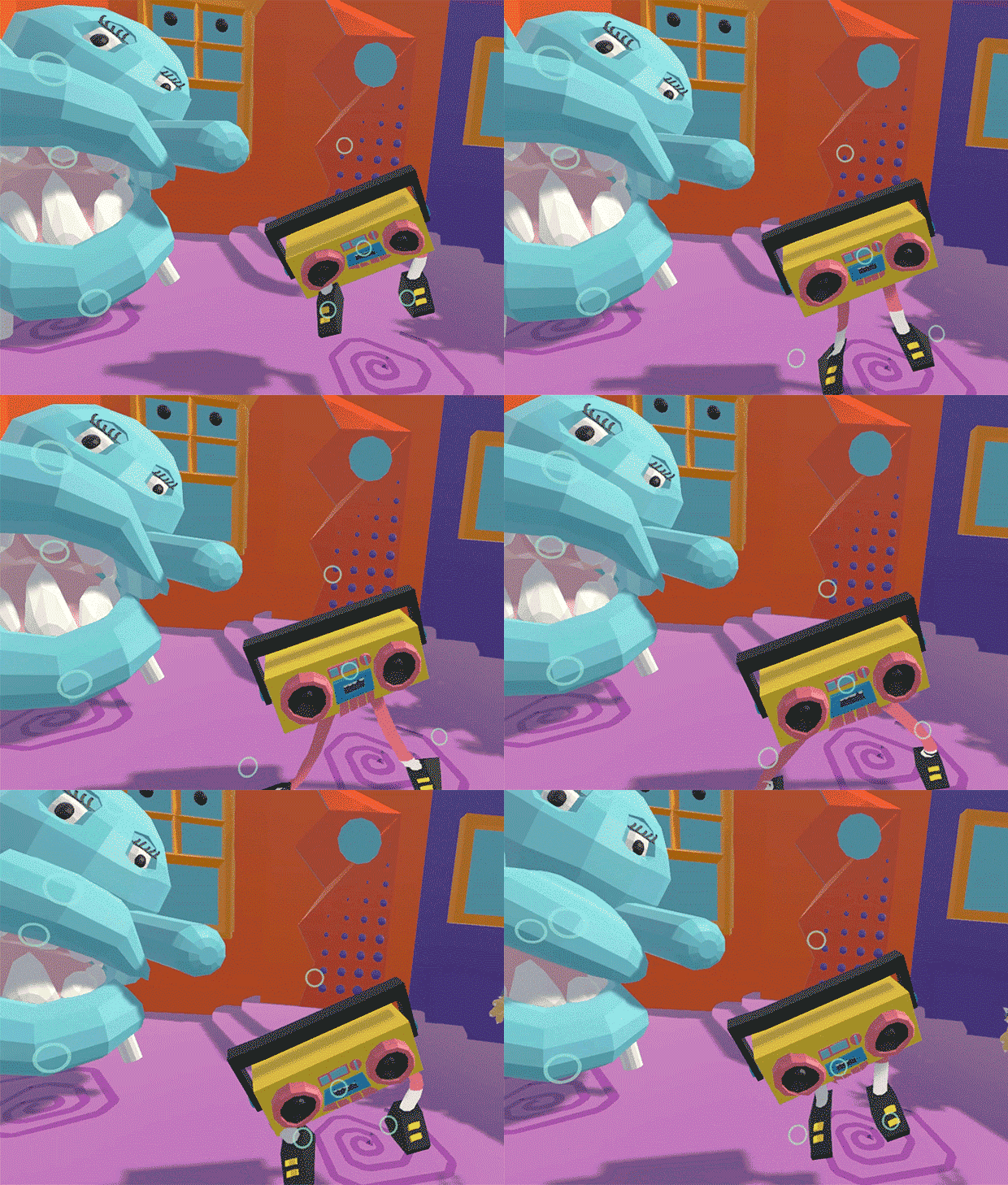
Google's Daydream Labs has been exploring ways to bring dynamic animation to its Blocks VR creation tool. Adding animation to 3D models in virtual or augmented reality involves three steps: preparing the model, controlling the model, and recording the motion. In terms of preparing the model, researchers at Google have been exploring two methods: inverse kinematics and shape matching. Inverse kinematics allows for precise positioning of a character's body parts based on the movement of a single limb, while shape matching enables realistic movement of less defined characters like puppets. The next step is controlling the model, which can be done through direct control, grabbing points, or posing. Lastly, motion can be recorded using either pose-to-pose animation or real-time looping. These methods make it easy for anyone, even those without animation experience, to bring their 3D models to life in virtual reality.
 Insider