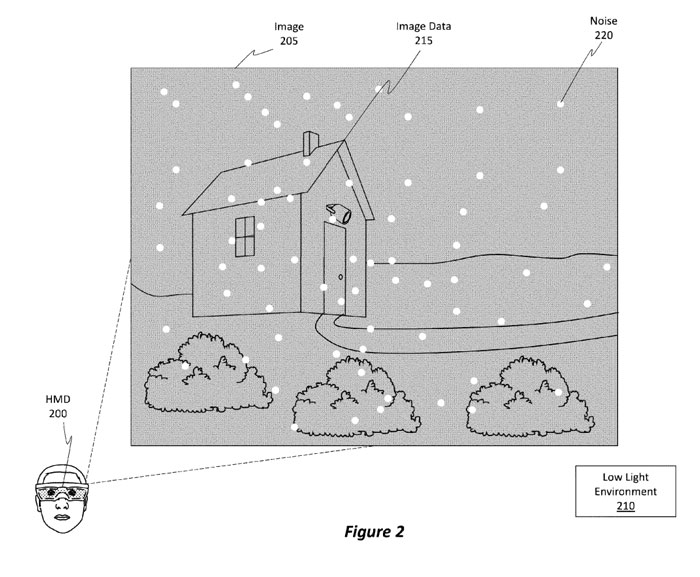
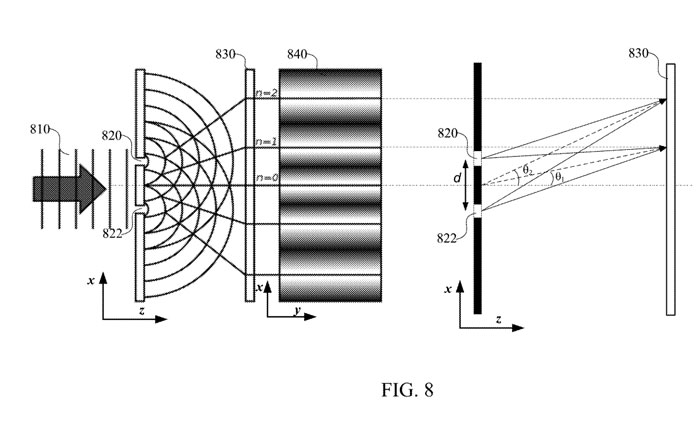
Microsoft has been granted a patent for a gesture recognition system for extended reality (XR) devices. The system uses image analysis and object tracking to recognize and track objects and gestures in real-time. Once a gesture is detected, the system can enhance the display through the XR device. The patent suggests that this technology could be used in applications such as virtual reality (VR) and augmented reality (AR) headsets.
Google has also been granted a patent for AR-assisted synthetic data generation. The patent describes using AR technology to generate synthetic training data by creating a 3D map of a scene and associating it with images. This data can then be used to train machine learning models.
Snap has received patents for various technologies, including integrating AR into web views, 3D hand shape and pose estimation, wearable devices with hardware-secured cameras, and an input mechanism for wearable devices.
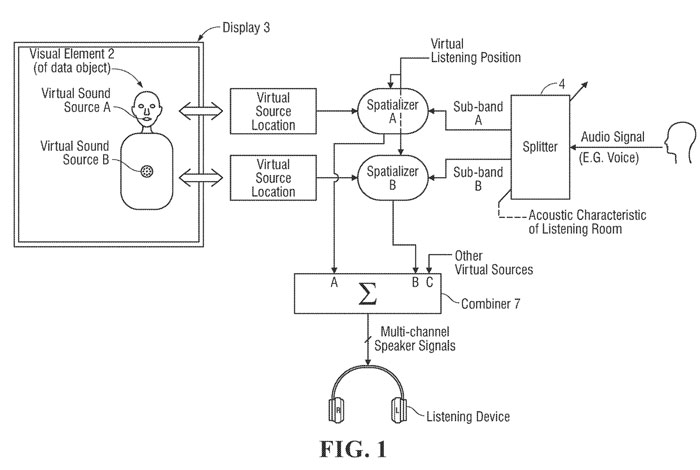
Magic Leap's patents include systems and methods for testing gratings, generating and modifying AR environments, and systems and methods for audio signal filtering.
Meta's patents cover a wide range of technologies, including holographic calling, compact imaging optics using liquid crystal, flexible displays for VR/AR headsets, free-form light field displays, and self-presence in artificial reality.映维网最近整理了62篇AR/VR专利,其中包括高通关于扩展现实的专利和三星关于无线通信和多图像显示的专利。高通的其中一项专利涉及用于扩展现实的semi-persistent scheduling技术,可以用于在通信过程中定义和激活不同的配置来执行通信。另一项高通专利涉及可穿戴指戴设备和用户界面处理,该设备可以包括用于检测手指旋转和发送数据的传感器。三星的专利涵盖了无线通信系统中控制MBS的方法和装置、提供全息图像的多图像显示设备以及用于提供虚拟图像的可穿戴电子设备等。此外,索尼和微软也有相关的专利,涉及信息处理设备、图像处理设备、视频生成设备、显示终端设备和移动触觉反馈机器人等。这些专利涵盖了AR/VR技术的多个方面,拓宽了XR行业的创新和发展领域。该篇文章介绍了几项与XR技术相关的专利。第一项专利是Meta公司的,涉及到抵消显示器组件中波导运动引起的图像光像差。这个实施例中的人造现实头显包括显示器组件和波导组件,用于生成在现实环境中显示的三维图像,并通过运动传感器校正波导组件的运动引起的像差。第二项专利也是Meta公司的,介绍了用于深度测定的干涉结构照明。该实施例中的深度摄像头组件通过在目标区域中生成干涉图案,并根据捕获到的图像来确定目标区域的深度信息。第三项专利是Meta公司的,涉及到具有均匀照度吞吐量的光学组合器。该实施例中的设备包括显示器和光学波导,用于将图像光引导到设备的出射光瞳。第四项专利是Meta公司的,涉及到可调节的头戴式显示器带。本专利描述了一种支架,可根据用户头部的形状和力的施加来调节头戴式显示器的舒适度。最后一项专利是HTC公司的,涉及到虚拟现实头戴式显示器。该专利描述了一种头戴式显示器,包括两个显示器、透镜和分束器,用于产生虚拟现实图像束。