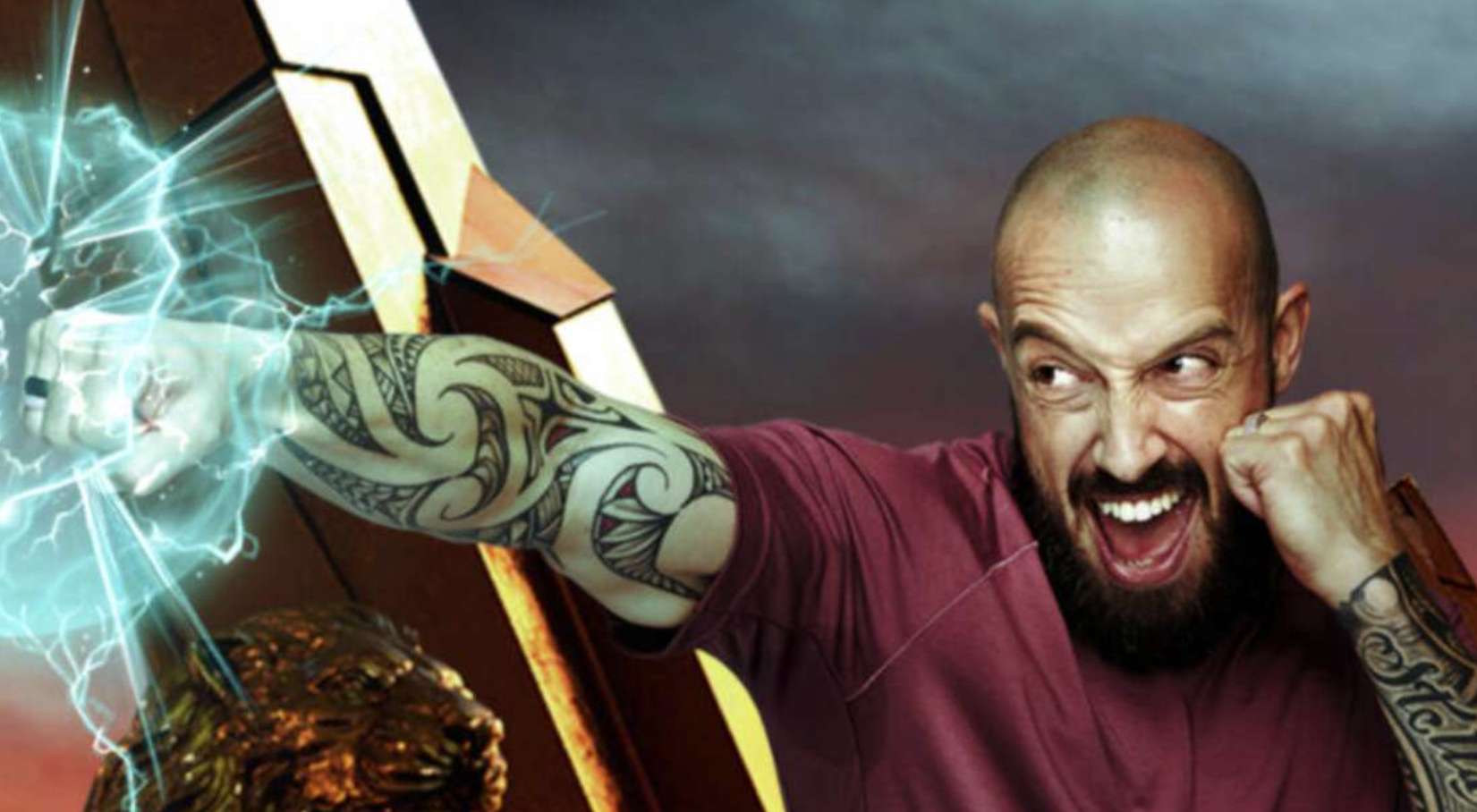
Gracia, a VR platform that uses Gaussfly technology to capture and render real-world scenes, has released a new version and started offering dynamic scenes for Quest 3 and 3S headsets. Gaussfly is a rendering technology based on machine learning that uses photos taken from real locations to create digital replicas. Unlike other immersive formats, Gaussfly allows for free viewpoint changes in 3D scenes. Gracia AI, the start-up behind the technology, has developed a pipeline that renders Gaussfly much faster than other solutions. The team's vision is to make Gracia a YouTube for 3D content. Currently, the platform offers three dynamic scenes that can be downloaded separately, including a chef filleting a salmon, a boxer warming up, and a ballet dancer showcasing her skills. Users can enjoy these scenes in immersive VR or use a perspective mode. They can also freely walk around, view from up close, and manipulate the scenes by rotating, zooming, and slowing down. However, there are still improvements to be made in resolution, detail, frame rate, and compression. Gracia can be downloaded for free from the Meta Quest Store and Steam.