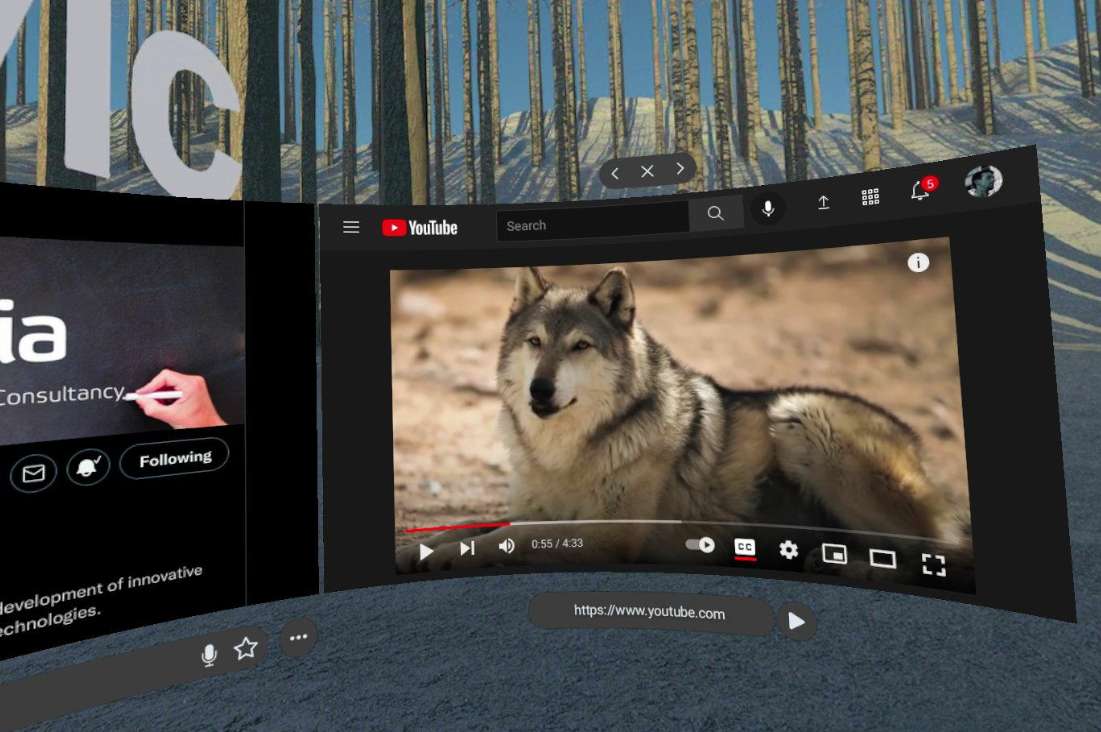
Wolvic XR浏览器内核将从Gecko切换到Chromium,提升性能体验
Wolvic XR browser, which supports devices such as PICO and Meta Quest, recently announced that it will switch from Gecko to Chromium to enhance performance and user experience. Previously, Mozilla had launched the WebXR browser Firefox Reality in 2018 but stopped development in 2022 and transferred the project to third-party team Igalia. Igalia subsequently developed the WebXR browser Wolvic based on the source code of Firefox Reality. Currently, the stable version of Wolvic in the app store uses the Gecko engine, while browsers from manufacturers such as Meta and PICO use Chromium. Therefore, Igalia has now released a new version of Wolvic, which uses Chromium to provide better performance for WebGL content. Additionally, switching to Chromium allows Wolvic to add support for hand tracking in WebXR, WebXR AR, and WebXR layers. Igalia stated that it will not immediately abandon the Gecko version of Wolvic and will continue to provide Gecko-based builds for a period of time. However, over time, maintenance of the Gecko version will gradually give way to the Chromium version, with builds in the app store transitioning to Chromium later on. The team explained that Chromium currently has advantages, especially on AOS-based devices, as Gecko's WebXR implementation lacks similar levels of maintenance or development, does not integrate well with the engine's GPU process, and does not receive priority development from Mozilla. This means that there are no new features in Gecko.